
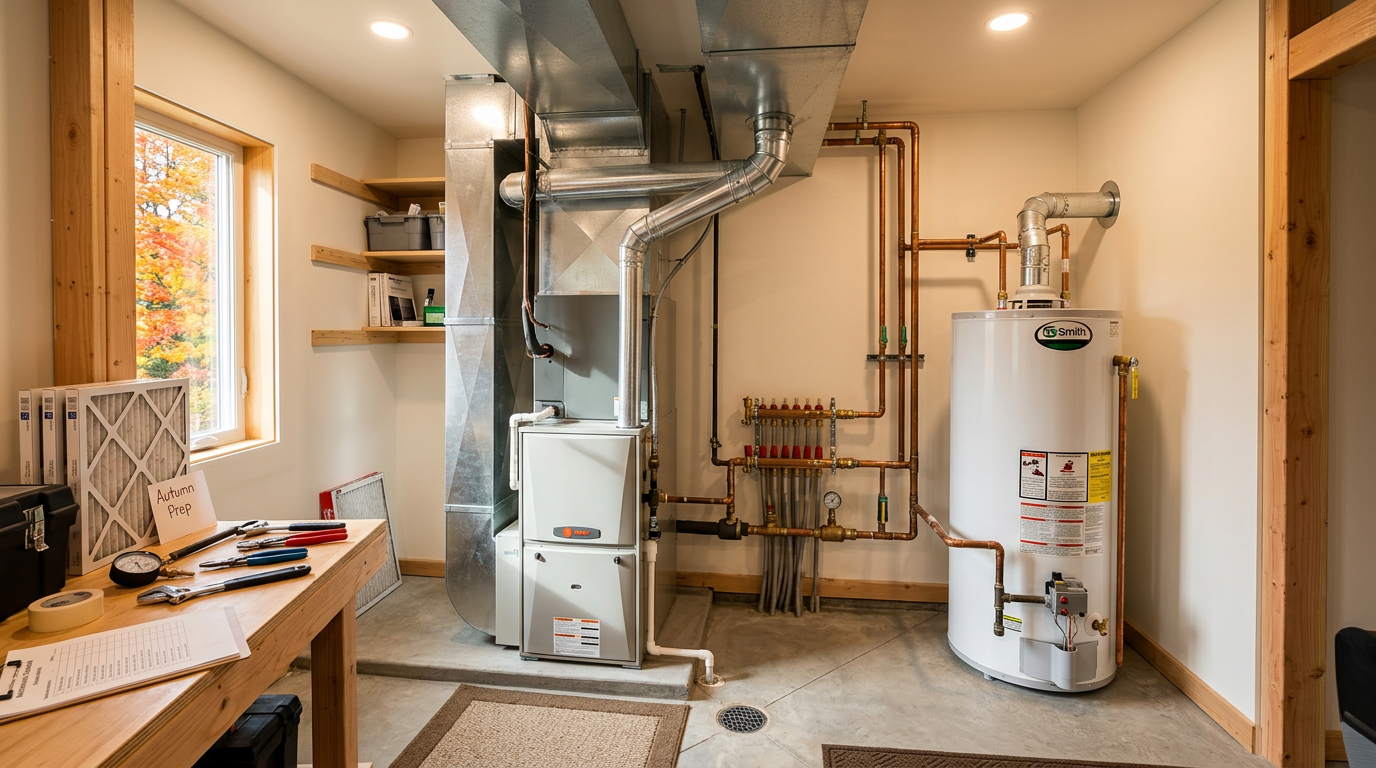
When Saskatchewan winter temperatures plunge to -35°C or lower, having dependable heating and hot water becomes essential for safety, comfort, and protecting your home. If you need professional support or seasonal tune-ups, the experienced team at furnace repair saskatoon services from RYP Mechanical is ready to help you prepare your mechanical systems before the deep freeze arrives.
Key Questions Answered:
- Why is pre-winter furnace maintenance important in Saskatoon? It identifies small mechanical issues like clogged flame sensors or failing igniters before extreme cold forces your furnace to run continuously.
- How does winter groundwater affect water heaters? Incoming near-freezing municipal groundwater requires significantly more energy and heating recovery time to reach household set temperatures.
- When should you flush a water heater tank? An annual fall flush clears hard water mineral sediment that insulates heating elements and accelerates tank corrosion.
Key Takeaways for Saskatoon Homeowners
- Routine filter changes prevent airflow restrictions: Inspect furnace filters monthly during peak heating season to prevent short-cycling and blower motor strain.
- Sediment buildup reduces hot water capacity: Flushing mineral scale from your hot water tank in autumn restores heat transfer efficiency and extends tank lifespan.
- Proactive inspections prevent emergency freeze-ups: Checking exterior intake and exhaust venting, safety controls, and carbon monoxide alarms safeguards your household before winter storms strike.
The Mechanics of Saskatchewan Winter Heating Demands
Winters in central Saskatchewan present unique challenges for residential mechanical systems. When the outdoor temperature drops below -30°C with wind chill, a residential furnace cycles frequently to maintain indoor comfort. A minor inefficiency that goes unnoticed in mild autumn weather can quickly escalate into a complete system shutdown when the furnace is forced to run around the clock.
Heating systems experience continuous thermal expansion and contraction during severe weather. Components such as flame sensors, hot surface igniters, inducer draft motors, and blower assemblies operate under sustained load. Regular seasonal care ensures that each component functions according to manufacturer specifications, reducing the likelihood of untimely heating interruptions.
Pre-Winter Furnace Inspection Checklist
A comprehensive seasonal heating tune-up involves inspecting critical safety and mechanical components. Below is a checklist of key areas that require attention before winter:
- Air Filter Replacement: Inspect your furnace filter every 30 to 60 days. A clogged filter restricts return airflow, causing internal temperatures to rise and triggering high-limit safety switches.
- Flame Sensor and Burner Cleaning: Microscopic oxidation and carbon buildup on flame sensors can cause the furnace to ignite and shut off abruptly within seconds. Cleaning ensures reliable flame rectification.
- Heat Exchanger Evaluation: A thorough visual and operational check of the heat exchanger helps verify that there are no hairline cracks or corrosion spots that could compromise indoor air quality.
- Blower Motor and Electrical Connections: Clearing dust buildup around the blower wheel and securing electrical terminals maintains stable airflow and motor longevity.
- Exterior Intake and Exhaust Terminations: Ensure exterior PVC venting pipes are free from autumn leaves, bird nests, and ice accumulation.
Managing Cold Groundwater Demands on Water Heaters
As winter sets in across Saskatoon, the municipal groundwater entering residential water heaters drops significantly in temperature. In summer, incoming water may average 12°C to 15°C, whereas winter temperatures can hover just above freezing at 2°C to 4°C. This substantial temperature delta means your water heater must work much harder to deliver consistent hot water for showers, laundry, and dishwashing.
If your hot water tank has accumulated mineral sediment, heating performance degrades further. Hard water minerals such as calcium and magnesium settle at the bottom of the tank, forming a dense thermal barrier between the gas burner and the water. This forces the burner to run longer, increasing energy consumption and accelerating tank deterioration.
Seasonal Water Heater Maintenance: Flushing and Anode Rods
Maintaining your water heater each fall provides dependable hot water and helps avoid premature tank replacement. Essential seasonal steps include:
- Tank Flushing: Connecting a drain hose to the tank drain valve allows you to flush out accumulated sediment and mineral scale until the discharge water runs clear.
- Sacrificial Anode Rod Inspection: The magnesium or aluminum anode rod attracts corrosive elements in the water to protect the tank’s steel lining. Inspecting and replacing the rod when significantly depleted helps prevent tank leaks.
- Temperature and Pressure Relief (TPR) Valve Testing: Checking the TPR valve ensures that excess pressure or temperature can safely discharge if abnormal operating conditions arise.
Comparing Water Heating Solutions for Prairie Climates
| System Type | Winter Performance | Maintenance Focus | Key Advantage |
|---|---|---|---|
| Atmospheric Storage Tank | Reliable baseline performance; slower recovery during peak winter demand. | Annual sediment flush, anode rod inspection. | Straightforward installation and dependable operation. |
| Power Direct Vent Tank | Higher efficiency and faster heating recovery with sealed combustion. | Blower inspection, venting check, tank descaling. | Flexible sidewall venting and reduced standby heat loss. |
| Tankless Water Heater | Continuous hot water supply; requires adequate sizing for cold groundwater. | Annual heat exchanger descaling with vinegar solution. | Compact footprint and zero standby energy consumption. |
Tailored Solutions for Your Saskatoon Home
Every home has distinct heating and hot water requirements based on layout, occupancy, and system age. Selecting the right maintenance and equipment strategy depends on key household factors:
- Household Size and Usage Patterns: Larger families often benefit from high-recovery power-vented tanks or properly sized tankless systems that keep pace with back-to-back morning routines.
- Home Insulation and Duct Design: Proper duct sizing and balanced airflow help ensure consistent heating distribution across multi-level residences.
- Energy Efficiency Goals: Upgrading to multi-stage or modulating high-efficiency heating systems reduces natural gas consumption and improves indoor temperature balance.
Why Choose RYP Mechanical Inc in Saskatoon
When preparing your mechanical systems for winter, working with experienced local professionals makes all the difference. At RYP Mechanical Inc, our team brings over 24 years of industry experience and Red Seal certifications to every residential and commercial project across Saskatoon and surrounding communities.
We believe in transparent communication, honest recommendations, and quality workmanship. Whether you require routine seasonal maintenance, emergency heating repairs, or a new high-efficiency equipment installation, we take the time to inspect the issue thoroughly and provide clear, upfront guidance without unnecessary pressure.
Frequently Asked Questions
How often should I change my furnace filter during winter in Saskatoon?
During peak winter months in Saskatoon, inspect your furnace filter every 30 days. Standard 1-inch pleated filters typically require replacement every 1 to 2 months, while thicker 4-inch to 5-inch media filters can last 3 to 6 months depending on household dust levels and pet ownership.
What are the warning signs of impending furnace failure?
Common warning signs include unusual banging or squealing noises, frequent on-and-off cycling (short-cycling), inconsistent room temperatures, a yellow burner flame instead of a crisp blue flame, or sudden increases in natural gas consumption.
Why is my hot water running out faster in the winter?
Incoming municipal water in winter is substantially colder than during the summer months. Your water heater requires more energy and time to heat this cold supply, while household demand for hot water typically increases during colder weather.
How do I know if my water heater anode rod needs replacement?
An anode rod should be inspected every 2 to 3 years. If the rod has eroded down to its central steel core wire or is covered in heavy calcium deposits, it should be replaced promptly to maintain corrosion protection for the tank.
Conclusion
Proactive fall maintenance is the most effective way to protect your heating and hot water equipment from the severe demands of a Saskatchewan winter. By changing filters, flushing water tanks, and scheduling professional inspections, you can enjoy dependable comfort, lower utility bills, and peace of mind throughout the coldest months.
For expert heating tune-ups, hot water tank servicing, and emergency mechanical support across Saskatoon, contact RYP Mechanical Inc to keep your home warm and running smoothly all season long.