
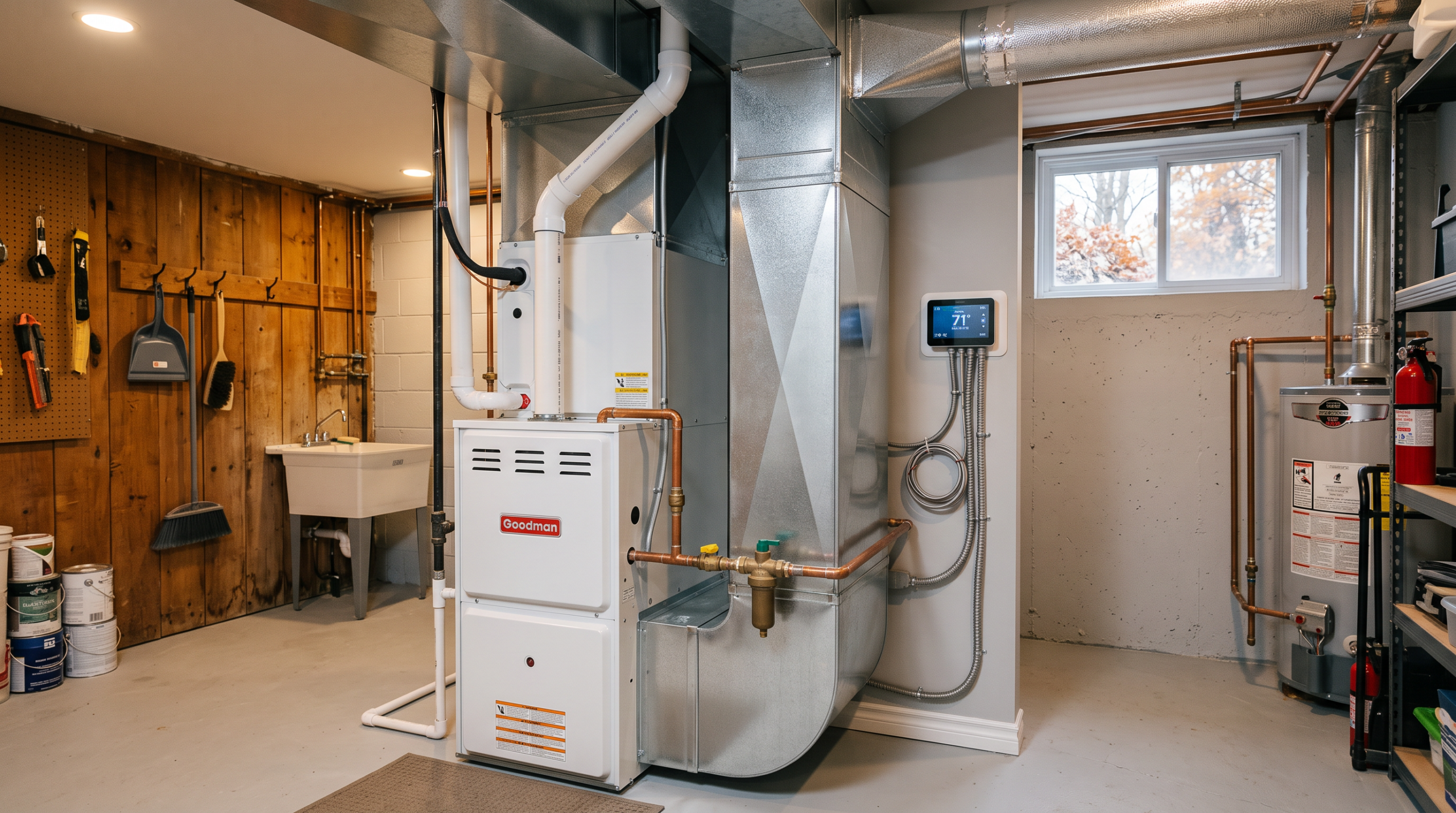
Winter in Saskatchewan brings relentless sub-zero temperatures, so knowing the furnace warning signs in winter is essential for your family’s safety and comfort. When temperatures drop below minus thirty, getting fast and professional furnace repair in Saskatoon prevents dangerous home freeze-ups and costly emergency service calls. Recognizing early warning signs and scheduling seasonal maintenance ensures your heating equipment operates safely throughout the coldest months.
Key Questions Answered: Prompt furnace diagnostics identify short-cycling, faulty flame sensors, and failing blower motors before extreme cold snaps cause a complete system breakdown. High-efficiency upgrades of 97% AFUE or higher also qualify for valuable utility rebates.
Key Takeaways: Furnace Warning Signs in Winter
- Early Warning Signals: Unusual rattling, continuous cycling, yellow burner flames, and lukewarm air output indicate an urgent need for professional inspection.
- Preventative Maintenance: Replacing standard 1-inch filters monthly and scheduling an annual heat exchanger safety check protects your system against mid-winter breakdowns.
- Financial Incentives: Qualifying high-efficiency furnace replacements of 97% AFUE or higher are eligible for a $325 SaskEnergy rebate.
Furnace Warning Signs in Winter: Common Cold Snap Problems
When the temperature drops to minus forty degrees in Saskatoon, your furnace runs for extended cycles to maintain indoor comfort. This severe demand exposes hidden mechanical fatigue and neglected components.
Short-Cycling and Thermostat Calibration
Short-cycling occurs when your heating unit starts, runs for several minutes, and shuts down abruptly before reaching the thermostat setpoint. Dirty air filters restrict airflow, causing the heat exchanger to overheat and trip the primary high-limit switch. Faulty thermostat sensors or incorrect heat anticipator settings also trigger rapid on-off cycling, which strains electrical relays and increases your energy bills.
Flame Sensor and Ignition Failures
Modern high-efficiency furnaces use direct spark ignition or hot surface ignitors paired with a flame rectification sensor. Over months of operation, microscopic carbon oxidation coats the thin metal flame rod. When the sensor fails to detect a healthy flame within four seconds of gas valve opening, the integrated control board locks out the system for safety, leaving your home without heat.
Blower Motor Capacitor and Belt Wear
The blower assembly circulates conditioned air across the heat exchanger and through your supply registers. A degrading run capacitor causes the blower motor to hum loudly, overheat, or fail to start. In older belt-driven configurations, loose or frayed belts slip during startup, creating screeching sounds and severely reducing airflow throughout your living areas.
Winter Furnace Warning Signs Checklist: Repair vs. Replacement
Deciding between repairing your existing heating unit and investing in a new high-efficiency system depends on system age, repair frequency, and overall operating safety. If you notice furnace warning signs in winter, such as short-cycling or a yellow burner flame, use the checklist below to weigh your options.
| Heating Factor | Repair Recommendation | Replacement Recommendation |
|---|---|---|
| System Age | Under 10 to 12 years | Over 15 years old |
| Repair Frequency | First repair in several seasons | Multiple service calls in two consecutive winters |
| Heat Exchanger Integrity | Intact with clean combustion analysis | Cracked or corroded (carbon monoxide hazard) |
| Energy Efficiency | High-efficiency condensing unit already installed | Standard 80% AFUE mid-efficiency model |
Upgrading to High-Efficiency Heating and SaskEnergy Rebates
Modern two-stage and modulating natural gas furnaces adjust burner output dynamically to match real-time outdoor conditions. Rather than blasting heat at maximum capacity, modulating units maintain balanced temperatures, eliminate drafty cold pockets, and reduce monthly natural gas consumption.
Homeowners investing in energy-efficient heating can take advantage of the SaskEnergy Residential Equipment Replacement Rebate. Installing an eligible high-efficiency natural gas furnace rated at 97% AFUE or higher qualifies for a $325 rebate when applied within 120 days of installation. Pair this upgrade with programmable smart thermostats for greater annual savings.
Tailored Heating Solutions for Saskatchewan Properties
Every home presents unique structural demands that influence heating performance. Customized diagnostics ensure proper airflow balancing and equipment sizing:
- Bungalows and Character Homes: Older Saskatoon neighborhoods often feature uninsulated basement headers and undersized supply runs that require static pressure testing and custom sheet metal adjustments.
- Multi-Level and Split-Level Builds: Uneven heat distribution between floors is resolved through dedicated zoning dampers and variable-speed ECM blower motors.
- New Construction and Infill Homes: Tight building envelopes benefit from matched heat recovery ventilators (HRVs) and high-efficiency modulating gas systems.
Why Choose RYP Mechanical Inc for Heating in Saskatoon
RYP Mechanical Inc brings over 24 years of industry experience and certified Red Seal technicians to every heating project. We deliver honest advice, transparent upfront estimates, and dependable workmanship across Saskatoon and surrounding communities. From prompt diagnostics to complete system replacements, our technicians keep your heating system running at peak performance all winter long.
Ready to restore reliable warmth to your home? You can contact our team today to schedule a detailed heating inspection or receive a free estimate on a new high-efficiency furnace.
Frequently Asked Questions
What are the main furnace warning signs in winter?
The most common signs include loud banging or screeching noises, a sudden drop in indoor temperature despite a raised thermostat, persistent burning odors, yellow burner flames, or the furnace blowing cold air continuously. If the unit cycles repeatedly without staying lit, call a certified technician immediately.
How often should I change my furnace filter during winter in Saskatoon?
Standard 1-inch fiberglass filters should be checked and replaced every 30 days during peak heating months. Thicker 4-inch to 5-inch pleated media filters usually last three to six months, though homes with pets, renovations, or high dust levels benefit from more frequent inspections to maintain proper airflow.
What does a yellow furnace burner flame indicate?
A yellow or flickering burner flame indicates incomplete natural gas combustion and potential carbon monoxide production. A healthy burner flame burns crisp and bright blue. If your burners produce yellow or orange flames, turn off the heating system and contact a licensed gas fitter right away for an inspection.
Is it worth replacing a 15-year-old furnace before it fails completely?
Yes. Furnaces over 15 years old lose efficiency and carry a higher risk of cracked heat exchangers or sudden failure during extreme sub-zero weather. Upgrading proactively prevents emergency freeze-ups, lowers your monthly heating bills, and allows you to claim available SaskEnergy high-efficiency equipment rebates.