
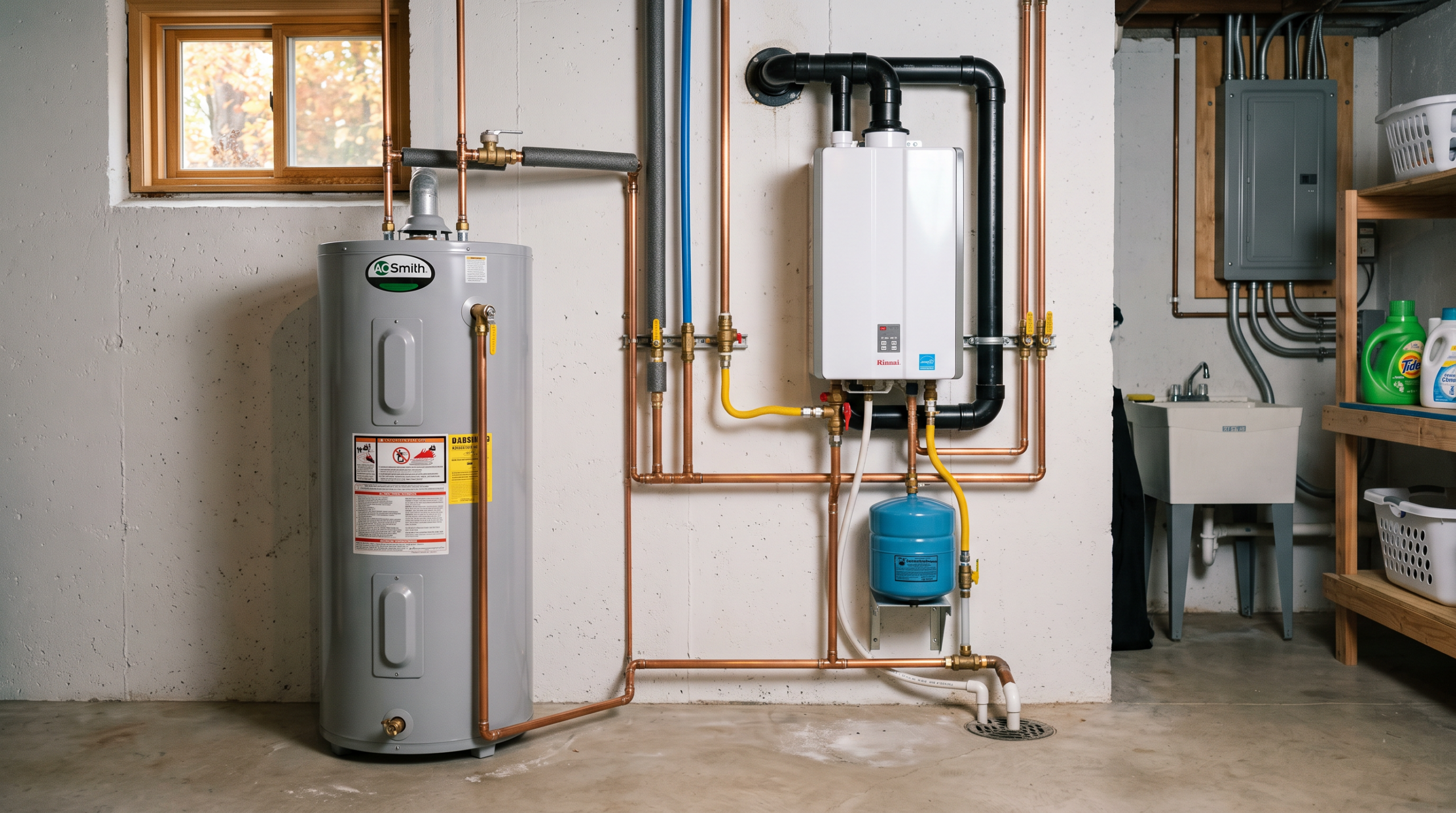
Reliable hot water is a cornerstone of household comfort, especially when Saskatchewan winters chill incoming municipal water lines to near-freezing temperatures. Protecting your investment with prompt service and timely hot water tank replacement in Saskatoon prevents unexpected basement flooding and costly cold-water surprises. Learning how mineral accumulation affects heating performance ensures your system delivers steady hot water throughout the year.
Key Questions Answered: Seasonal tank flushing removes hardened mineral scale, extends sacrificial anode rod life, and prevents premature tank corrosion. Replacing aging storage tanks with modern high-efficiency or tankless units provides continuous hot water while cutting energy bills.
Key Takeaways for Saskatoon Homeowners
- Mineral Sediment Buildup: Saskatoon water contains calcium and magnesium minerals that settle on tank bottoms, insulating burners and causing popping or rumbling sounds.
- Anode Rod Protection: Magnesium and aluminum anode rods attract corrosive elements, sacrificing themselves to preserve the steel tank lining for eight to twelve years.
- Winter Groundwater Demand: Incoming winter water temperatures drop significantly, requiring up to 40% more heating energy to reach standard domestic tap temperatures.
Understanding Hard Water and Sediment Buildup in Local Tanks
Municipal water in Saskatoon carries moderate mineral hardness. As water heats inside a standard storage tank, dissolved calcium carbonate precipitates out of solution and settles as dense sediment at the bottom of the vessel.
The Consequences of Untreated Scale
When sediment accumulates over several inches, it creates a thick thermal barrier between the gas burner and the water column. The burner must run longer to transfer heat through the scale, creating intense hotspots that weaken the tank steel and degrade the internal glass lining. Over time, trapped water beneath the sediment boils violently, producing distinct popping, knocking, and kettle-like rumbling noises during heating cycles.
Sacrificial Anode Rod Degradation
Inside every traditional hot water tank sits a sacrificial anode rod made of magnesium or aluminum wrapped around a steel core wire. Through galvanic action, corrosive minerals attack this rod instead of the steel tank walls. Once the anode rod depletes completely, corrosive elements turn directly to the tank shell, leading to microscopic pinhole leaks and catastrophic tank failure.
Storage Tank vs. Tankless Water Heaters in Saskatchewan
Choosing between a conventional atmospheric storage tank, a power-vented model, and an on-demand tankless water heater involves balancing upfront investment against long-term operating efficiency.
| System Feature | Standard Storage Tank | High-Efficiency Tankless |
|---|---|---|
| Hot Water Capacity | Limited to tank volume (40 to 60 gallons) | Continuous, on-demand supply |
| Space Requirements | Large floor footprint in utility room | Compact wall-mounted design |
| Standby Heat Loss | Continuous heat loss while idling | Zero standby loss (heats only on demand) |
| Expected Lifespan | 8 to 12 years | 18 to 20+ years with annual descaling |
Managing Cold Groundwater Demands in Winter
During Saskatchewan winters, municipal supply water entering your home drops to near freezing (around four to six degrees Celsius). Heating this water to a comfortable fifty degrees Celsius requires a substantial temperature rise of over forty-five degrees.
For standard storage units, this cold incoming water slows down recovery rates, meaning your household runs out of hot water faster during back-to-back morning showers. High-output condensing water heaters and properly sized tankless units compensate for extreme winter inlet temperatures, delivering steady water volume without pressure drops.
Tailored Water Heating Solutions for Local Families
Water heating requirements vary based on household size, fixture count, and plumbing layout:
- Growing Families with High Peak Demand: Installing high-recovery power-vented gas tanks or cascading tankless units guarantees endless hot water for concurrent showers, laundry, and dishwashing.
- Properties with Finished Basements: Older gravity-vent tanks can be replaced with sealed-combustion power-vent models, allowing direct side-wall venting and protecting finished living areas from draft issues.
- Acreages and Well Water Systems: Private wells with elevated mineral content benefit from dedicated sediment filtration and pre-softening to protect water heating elements from scale buildup.
Why Choose RYP Mechanical Inc for Water Heating in Saskatoon
RYP Mechanical Inc delivers prompt, professional plumbing and water heating services backed by certified Red Seal technicians and 24+ years of local experience. We provide honest evaluations, transparent upfront pricing, and neat installations that meet strict Saskatchewan plumbing codes. Whether you need an emergency tank replacement, routine maintenance, or a high-efficiency tankless conversion, our team has you covered.
Need dependable hot water service today? You can contact our team today to schedule a routine water heater flush or get a free estimate on a replacement system.
Frequently Asked Questions
How do I know if my hot water tank is about to fail?
Key warning signs include rusty or discolored hot water, moisture pooling around the base of the tank, metallic tastes, rumbling or knocking sounds during heating cycles, and a noticeable drop in hot water capacity. If your tank is over ten years old and showing moisture, replacement is recommended.
How often should a water heater be flushed in Saskatoon?
Because of local mineral content, flushing your hot water tank once every twelve months is recommended. Annual flushing removes loose calcium sediment from the bottom of the tank, protects the lower heating elements or burner plate, improves energy efficiency, and extends the overall life of the appliance.
What temperature should my residential water heater be set to?
Water heaters should be set to 49 to 60 degrees Celsius (120 to 140 degrees Fahrenheit). Setting the temperature to 60 degrees Celsius prevents harmful bacteria like Legionella from growing inside the tank, while installing a thermostatic mixing valve protects household members from accidental scalding at the tap.
Are tankless water heaters effective during Saskatchewan winters?
Yes, provided they are properly sized for the winter temperature rise. Incoming groundwater in Saskatoon drops to near freezing in winter, so tankless units must have high BTU burner ratings to heat water rapidly on demand. Properly sized systems deliver endless hot water without running out.