
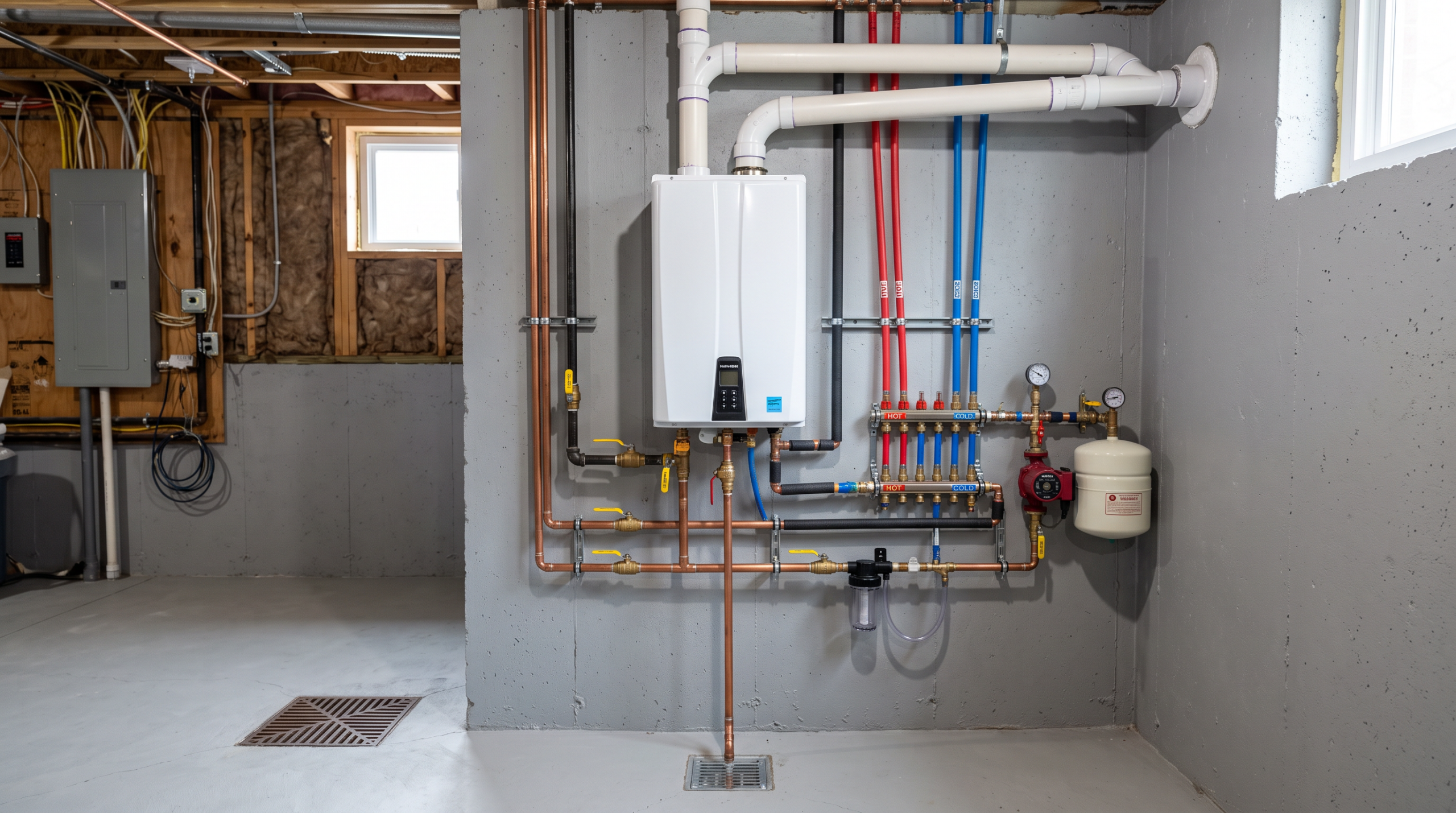
Executive Summary: Cold Saskatchewan winters place unique demands on residential hot water systems as incoming municipal groundwater drops close to freezing. This comprehensive guide covers essential water heater maintenance, sediment flushing procedures, warning signs of tank failure, and the benefits of modern tankless upgrades. Discover how proper care ensures endless, efficient hot water and prevents costly basement water damage.
Finding dependable service for your water heater in Saskatoon is essential for maintaining household comfort and daily convenience throughout cold northern winters. Water heaters operate continuously behind the scenes, supplying hot water for showers, laundry, and dishwashing across busy prairie households. Understanding how to maintain your equipment protects your property against sudden leaks and costly premature breakdowns.
When incoming municipal water temperatures plummet in winter, your hot water system works significantly harder to reach comfortable household temperatures. Proactive seasonal care, sacrificial anode rod replacements, and timely upgrades ensure consistent hot water delivery without unnecessary energy waste.
Key Takeaways (TL;DR)
- Annual tank flushing clears hardened mineral sediment, restoring heating efficiency and preventing bottom-tank corrosion.
- Incoming winter groundwater temperatures of 4°C require water heaters to provide a high 45°C+ temperature rise, increasing mechanical demand.
- Switching to an on-demand tankless water heater delivers endless hot water, frees up valuable mechanical room space, and lowers monthly natural gas bills.
Key Questions Answered
Why is my hot water running out much faster in winter? Incoming municipal groundwater in Saskatoon drops to near freezing during winter, forcing water heaters to work much harder and depleting standard storage tank capacity faster during back-to-back showers.
How often should a residential water heater be drained and flushed? Tank water heaters should be flushed at least once every 12 months to remove calcium, magnesium, and scale sediment that insulates heating elements and accelerates tank corrosion.
What are the clearest signs that a water heater is about to fail? Warning signs include rusty or discolored hot water, rumbling popping noises from the tank bottom during heating cycles, moisture or pooling water around the tank base, and frequent temperature drops.
The Impact of Saskatchewan’s Cold Groundwater on Water Heating
During summer months, incoming city water enters homes at approximately 15°C to 18°C. However, throughout Saskatoon winters, deep frost penetration chills municipal water mains, lowering incoming water temperatures to between 3°C and 5°C. To deliver household hot water at the standard 49°C to 54°C (120°F to 130°F), your water heater must generate a massive 45°C to 50°C temperature rise.
This increased thermal workload means storage tanks run out of hot water faster, recovery times between uses lengthen, and burner assemblies fire for extended cycles. If hard water sediment coats the bottom of your tank, heat transfer slows dramatically, leading to overheating of the steel base and premature tank failure.
Storage Tank vs. Tankless Water Heaters: Prairie Performance Comparison
Selecting the ideal water heating technology depends on your family’s hot water usage patterns, fuel supply, and available installation space.
| Feature | Standard Atmospheric Tank | Power-Vent Storage Tank | On-Demand Tankless System |
|---|---|---|---|
| Hot Water Capacity | Limited to 40–50 Gallons | Limited to 40–60 Gallons | Continuous / Unlimited Flow |
| Energy Efficiency | Standard (0.58–0.62 UEF) | Moderate (0.67–0.72 UEF) | High (0.92–0.97 UEF) |
| Standby Heat Loss | Constant 24/7 heat loss | Moderate standby heat loss | Zero standby loss |
| Venting Type | Vertical chimney B-vent | Side-wall PVC pipe with fan | Direct-vent PVC / Polypropylene |
| Expected Lifespan | 8 to 12 Years | 10 to 12 Years | 20+ Years |
Essential Water Heater Maintenance Procedures
Performing annual maintenance protects your investment, maintains high heating efficiency, and prolongs equipment lifespan. Here are the core tasks every homeowner should understand:
1. Annual Sediment Draining and Tank Flushing
Municipal water in central Saskatchewan carries dissolved minerals, primarily calcium and magnesium carbonate. As water heats, these minerals precipitate out of solution and settle as a dense, sandy layer at the bottom of the tank. This sediment creates a thermal barrier between the gas burner and the water, causing popping noises, slower heating, and localized overheating of the tank bottom.
Flushing the tank annually via the bottom drain valve purges accumulated scale before it hardens into an impenetrable mineral crust.
2. Sacrificial Anode Rod Inspection and Replacement
Inside every glass-lined steel tank hangs a sacrificial anode rod made of magnesium or aluminum. Through natural galvanic action, corrosive minerals in the water attack the anode rod instead of the steel tank lining. Once the anode rod is fully depleted (usually every 3 to 5 years), corrosive elements begin eating directly into the tank walls, leading to leaks.
Replacing the anode rod every few years is one of the most cost-effective ways to double the working life of your water heater.
3. Temperature & Pressure (T&P) Relief Valve Testing
The T&P relief valve is your water heater’s primary safety safeguard. If excessive temperature or pressure builds up inside the closed vessel, the valve opens automatically to discharge water and prevent tank rupture. Testing the test lever annually confirms the valve operates freely and seats securely without persistent dripping.
Warning Signs Your Water Heater Needs Immediate Attention
Water heaters rarely fail without giving subtle warning signs. Contacting a licensed professional when you notice these symptoms prevents catastrophic basement flooding:
- Loud Rumbling or Popping Sounds: Water trapped under thick sediment deposits boils and steam pockets burst violently, creating loud knocking or rumbling sounds whenever the burner fires.
- Rusty or Discolored Water: Rusty water appearing only from hot water taps indicates that the internal anode rod has disintegrated and the steel tank body is corroding from the inside out.
- Moisture or Puddles Around the Base: Small leaks from fitting connections or microscopic fractures in the glass lining often pool at the base of the unit, signaling structural failure.
- Foul “Rotten Egg” Odors: Hydrogen sulfide gas created by reactions between anaerobic bacteria and degraded anode rods produces strong odors in your hot water lines.
- Inconsistent Water Temperatures: Failing dip tubes, faulty thermostat controls, or thick mineral encrustation on electric elements result in lukewarm or fluctuating water temperatures.
Tankless Water Heaters: Is On-Demand Heating Right for Your Home?
On-demand tankless water heaters heat water instantly as it flows through high-efficiency copper or stainless steel heat exchangers. Because they do not store 40 to 60 gallons of standing water, they eliminate continuous standby energy losses and offer distinct advantages:
- Endless Hot Water: Multiple family members can shower back-to-back without running out of hot water, regardless of outdoor winter temperatures.
- Space Savings: Compact wall-mounted tankless units free up valuable floor space in basements and mechanical closets.
- Lower Operating Costs: Tankless units operate at up to 97% thermal efficiency, consuming fuel only when a hot water tap is opened.
- Reduced Risk of Major Flooding: Without 50 gallons of stored water under continuous pressure, the risk of massive basement flooding from tank rupture is eliminated.
Tailored Water Heating Solutions for Saskatchewan Households
Finding the right water heating solution requires evaluating specific home factors to ensure reliable performance and optimal efficiency:
- Household Size and Peak Demand: Large families running showers, dishwashers, and laundry simultaneously require properly sized high-output storage tanks or high-GPM tankless units.
- Water Hardness and Filtration: Installing a water softener or dedicated scale-reduction filter upstream of high-efficiency systems prevents scale accumulation in heat exchangers.
- Existing Gas Line and Venting Configuration: Transitioning from atmospheric tanks to power-vent or condensing tankless systems involves planning new dedicated PVC exhaust and combustion air intake lines.
- Utility Incentives and Rebates: Qualifying energy-efficient water heating installations can benefit from local rebate programs, improving long-term payback.
Why Saskatoon Homeowners Trust RYP Mechanical
At RYP Mechanical, we provide comprehensive plumbing, water heater, HVAC, and gas fitting services across Saskatoon and nearby central Saskatchewan communities. Backed by over 24 years of industry experience and certified Red Seal technicians, our team handles routine water heater flushing, anode replacements, emergency repairs, and full tankless conversions.
As a trusted, locally owned company, we are dedicated to honest communication, transparent upfront pricing, and top-tier craftsmanship. We assess your home’s water heating needs thoroughly, explain all options clearly, and recommend solutions that make the most sense for your household budget. From routine tank maintenance to emergency replacements, we ensure your family enjoys dependable hot water through every prairie season.
Frequently Asked Questions About Water Heaters in Saskatoon
How long do water heaters typically last in Saskatchewan?
Standard storage tank water heaters generally last between 8 and 12 years in Saskatoon, influenced by local water hardness and maintenance frequency. Modern tankless systems often exceed 20 years with annual descaling service.
What temperature should my water heater be set to?
Most manufacturers and safety guidelines recommend setting your water heater thermostat to 49°C to 54°C (120°F to 130°F). This provides plenty of hot water for sanitation while preventing accidental scalding and minimizing standby energy consumption.
Can a leaking water heater be repaired, or does it have to be replaced?
If the leak originates from an external fitting, drain valve, or pressure relief valve, it can usually be repaired easily. However, if water is leaking directly from the tank body itself, the internal lining has corroded through, and the entire unit must be replaced.
What maintenance does a tankless water heater require?
Tankless water heaters should be descaled and flushed with a food-grade vinegar or mild acid solution once every 12 months to remove calcium scale from the internal heat exchanger tubes.
Ensure Dependable Hot Water All Season
Do not wait for a complete loss of hot water or a leaking tank to address your home’s water heating system. Regular inspections, sediment flushing, and timely upgrades protect your property and ensure your family enjoys reliable comfort every day. Contact RYP Mechanical today to book your water heater service or request a free, upfront estimate on a modern, high-efficiency water heater replacement.