
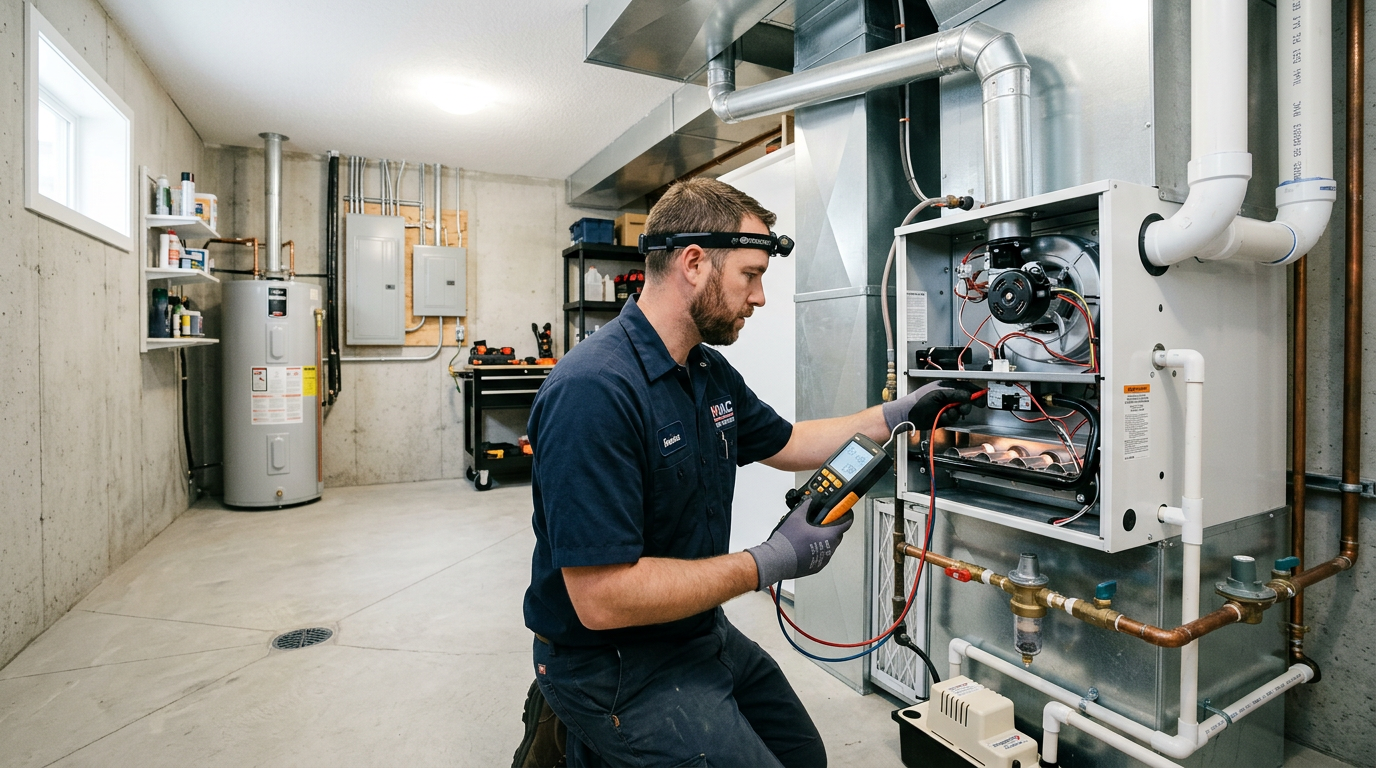
Reliable heating is a safety necessity across Saskatchewan, where winter temperatures routinely plunge past -35°C. Preparing your heating system with proactive fall maintenance ensures reliable airflow, lowers monthly utility bills, and stops catastrophic mid-winter freeze-ups before extreme cold arrives. In this comprehensive guide to hvac saskatoon homeowners trust, we break down essential furnace checks, troubleshooting indicators, and efficiency upgrades.
Key Questions Answered:
- When should I schedule fall furnace maintenance in Saskatoon? The ideal window is September through late October before the first severe freeze.
- How does extreme cold affect furnace operation? Extended run times strain blower motors, while heavy frost can block exterior intake and exhaust venting.
- What rebates exist for high-efficiency furnace replacements? Eligible 97%+ AFUE natural gas furnaces qualify for up to $325 through the SaskEnergy Residential Equipment Replacement Rebate.
Key Takeaways for Saskatoon Homeowners
- Regular filter replacements and annual heat exchanger inspections prevent unexpected mid-winter shutoffs.
- Unusual clanking noises, short-cycling, or yellow burner flames indicate urgent mechanical attention is needed.
- Upgrading an aging unit to a modulating or two-stage furnace cuts gas consumption significantly and qualifies for SaskEnergy incentives.
The Shift Toward Proactive Winter Heating Management
Saskatoon winters place intense mechanical demands on residential heating equipment. A furnace that runs without issue during mild autumn evenings can quickly fail when tasked with continuous 24-hour cycles during a polar vortex. Preventative maintenance shifts heating care from stressful emergency repairs to predictable seasonal upkeep.
Modern heating systems rely on sensitive electronic controls, flame sensors, and sealed draft inducers. Dust buildup, loose electrical terminals, or minor gas valve misalignments cause safety lockouts right when outdoor temperatures drop. Catching these small discrepancies early preserves equipment longevity and maintains consistent household comfort.
Essential Fall Furnace Checklist in Practice
A thorough seasonal heating inspection covers both DIY homeowner checks and detailed professional diagnostic steps:
- Air Filter Inspection and Replacement: Restricted airflow is the leading cause of furnace overheating and limit switch failure. Replace standard 1-inch filters every 30 to 60 days during peak heating months, or check 4-inch media filters every quarter.
- Exterior Vent and Intake Clearance: High-efficiency condensing furnaces vent through PVC pipes on the side of the home. Clear away fallen autumn leaves, bird nests, and snowdrifts to prevent combustion air blockages.
- Flame Sensor and Burner Cleaning: Oxidation on the flame sensor rod causes the furnace to ignite for a few seconds and immediately shut down. Professional cleaning restores proper microamp signal readings.
- Heat Exchanger Integrity Verification: Cracked heat exchangers present serious carbon monoxide risks and require immediate unit shutdown. Technicians inspect combustion chambers with specialized cameras and combustion analyzers.
- Thermostat Calibration and Battery Check: Ensure your programmable or smart thermostat accurately communicates with the control board and holds designated setback temperatures.
Common Furnace Problems and Troubleshooting Steps
Recognizing early warning signs allows you to address heating issues before losing heat entirely:
- Short-Cycling: If the furnace turns on and off rapidly without warming the house, check for a clogged filter or a blocked flue pipe causing high-limit safety trips.
- Inconsistent Room Temperatures: Cold spots often point to ductwork leakage, unbalanced dampers, or a failing variable-speed blower motor.
- Loud Screeching or Rattling Noises: A high-pitched squeal indicates worn blower fan bearings or a slipping belt, while metal rattling suggests loose paneling or failing motor mounts.
- Yellow or Flickering Burner Flame: Clean natural gas combustion produces a steady blue flame. A yellow flame indicates incomplete combustion and potential carbon monoxide production.
Repair vs. Replacement: High-Efficiency Upgrades and Rebates
When an existing furnace reaches 15 to 20 years of age, repeated repair costs often outweigh the price of a modern system. Upgrading to a high-efficiency condensing unit delivers substantial long-term benefits:
- Single-Stage vs. Two-Stage and Modulating Units: Older single-stage units run at 100% capacity whenever called for heat. Modulating furnaces adjust flame height and blower speed in tiny increments, eliminating temperature swings and reducing electricity usage.
- Energy Efficiency Ratings (AFUE): Upgrading from an older 80% AFUE unit to a 96%–98% AFUE system converts almost all fuel directly into usable warmth for your home.
- SaskEnergy Rebate Savings: Qualifying high-efficiency natural gas heating replacements are eligible for provincial equipment rebates, putting money directly back into your budget.
Tailored Solutions for Prairie Heating Demands
Heating requirements vary based on property type, insulation quality, and square footage across Saskatoon and surrounding communities:
- Character and Older Bungalows: Often require ductwork sealing and higher static pressure monitoring to distribute warmth evenly to perimeter rooms.
- Modern Multi-Story Homes: Benefit from dual-zone zoning dampers and modulating variable-speed fans to eliminate second-floor heat buildup.
- Acreages and Detached Garages: Require dedicated high-output unit heaters or radiant tube systems paired with durable digital freeze-protection controls.
Why Choose RYP Mechanical Inc for Heating in Saskatoon
When winter weather strikes, you need trusted professionals who understand Saskatchewan climate challenges. RYP Mechanical Inc provides complete plumbing, heating, and gas fitting services with Red Seal certified technicians bringing more than 24 years of combined industry experience. We offer transparent, upfront pricing with no hidden fees and deliver dependable workmanship that keeps your family safe and warm all season long.
Frequently Asked Questions
How often should I change my furnace filter in the winter?
Check standard 1-inch filters monthly during severe cold snaps. High-use periods generate more dust recirculation, making 30 to 60-day replacements ideal for optimal airflow.
What temperature should I set my thermostat during -40°C cold snaps?
Keep your thermostat steady between 20°C and 22°C. Avoid large overnight setbacks during extreme cold, as furnaces work significantly harder to recover lost indoor heat.
What does it mean if my furnace is blowing cold air?
Cold air blowing from vents usually means the blower fan is running while the burner has locked out due to a dirty flame sensor, tripped limit switch, or pilot ignition failure.
Are emergency furnace repairs available on weekends in Saskatoon?
Yes, professional heating contractors provide emergency diagnostic and repair services to prevent frozen pipes and maintain safe indoor temperatures during cold snaps.
Protect Your Home Warmth with Expert Care
Proactive fall furnace inspections protect your home from sudden heating failures, reduce monthly energy bills, and extend the lifespan of your mechanical equipment. RYP Mechanical Inc is ready to ensure your heating system operates at peak safety and efficiency throughout the coldest Saskatchewan months. Reach out today to schedule your comprehensive pre-winter furnace inspection.