
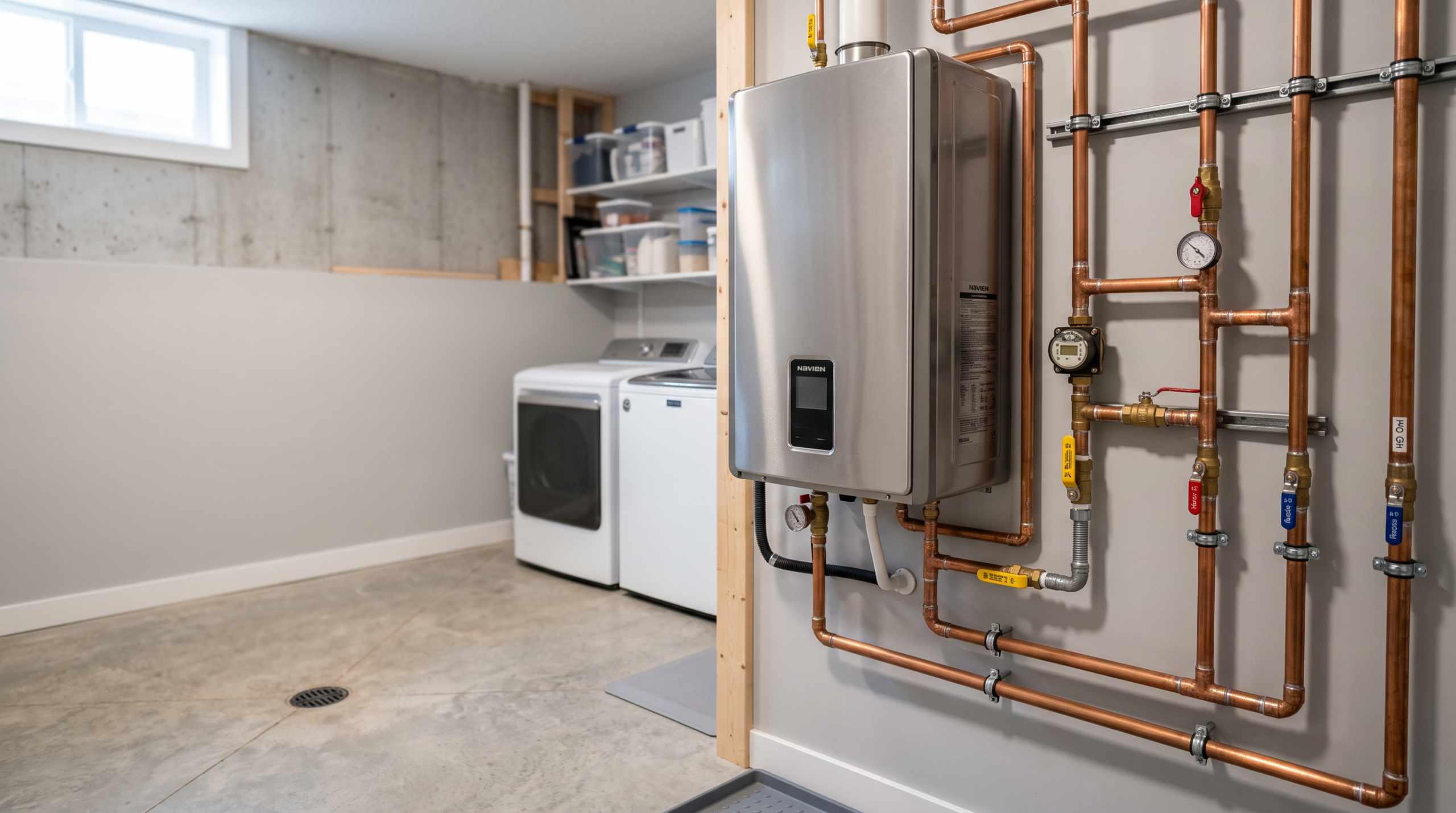
Reliable domestic hot water is an indispensable foundation of daily comfort, especially when dealing with frigid municipal supply water across Saskatchewan winters. Choosing the right system and maintaining your water heater in Saskatoon protects your household from unexpected cold showers, water damage, and unnecessary utility expenses.
Saskatoon water supplies carry moderate mineral hardness, which naturally precipitates out as solid calcium and magnesium sediment during heating cycles. Over time, sediment buildup coats heating elements, insulates storage tank bottoms, and accelerates internal corrosion. Understanding routine maintenance procedures, recognizing early failure signs, and evaluating tankless versus conventional storage units empowers homeowners to optimize their domestic water heating for longevity and efficiency.
Key Takeaways
- Annual Tank Flushing Extends Equipment Lifespan: Draining sediment from your water heater tank every 12 months prevents element burnout, maintains thermal efficiency, and reduces rumbling noises.
- Sacrificial Anode Rods Are Your Tank’s Best Defense: Inspecting and replacing the magnesium or aluminum anode rod every 3 to 5 years prevents galvanic corrosion from attacking the steel tank wall.
- Tank vs. Tankless Efficiency in Cold Climates: Tankless water heaters provide continuous hot water and eliminate standby energy losses, but require proper sizing to handle near-freezing winter inlet groundwater temperatures.
Key Questions Answered:
Why is my water heater making a popping or rumbling noise? Rumbling noises indicate heavy mineral sediment trapped at the bottom of the tank. As trapped water boils beneath the sediment layer, steam bubbles burst violently through the buildup.
How long do standard hot water tanks last in Saskatoon? Conventional glass-lined storage tank water heaters generally last between 8 and 12 years, whereas high-efficiency tankless units can operate reliably for 20 years with regular maintenance.
Understanding the Impact of Water Hardness and Saskatchewan Winters
Water heaters in Saskatoon face two primary operational challenges: mineral content and extreme winter inlet temperatures. During mid-winter, municipal water entering residential homes can drop to near-freezing temperatures (around 2°C to 4°C). To deliver standard household hot water at 49°C to 55°C, your heating system must achieve an immense temperature rise of up to 50°C.
Furthermore, as water is heated, dissolved calcium carbonate falls out of solution and settles as a dense layer at the base of the tank. In gas water heaters, this sediment barrier forces the burner to run longer and hotter to transfer heat through the tank bottom, leading to metal fatigue and premature tank failure. In electric units, lower heating elements become buried in sediment, causing rapid element overheating and failure.
Essential Water Heater Maintenance Procedures
Performing basic preventive care once or twice per year significantly increases equipment reliability and preserves peak energy efficiency.
- Annual Tank Flushing: Connect a standard garden hose to the bottom drain valve, shut off the gas or power supply, and flush out accumulated mineral sludge until the drain water runs completely clear.
- Anode Rod Inspection: The sacrificial anode rod attracts corrosive elements away from the steel tank. Once the rod’s core wire becomes exposed or heavily corroded (typically within 3 to 5 years), replacing it prevents tank rusting.
- Testing the Temperature & Pressure (T&P) Relief Valve: Gently lift the test lever on the safety relief valve to confirm it releases water freely into the discharge pipe and seals tightly when released.
- Setting the Optimal Water Temperature: Maintaining water heater temperature at 49°C to 54°C (120°F to 130°F) prevents scalding, inhibits bacterial growth like Legionella, and minimizes thermal stress on piping.
Storage Tank vs. Tankless Water Heaters: A Detailed Comparison
When selecting a new water heating system, Saskatoon homeowners often weigh the upfront simplicity of storage tanks against the modern performance of on-demand tankless units.
| Comparison Factor | Standard Storage Tank (40–50 Gal) | Tankless (On-Demand) System |
|---|---|---|
| Expected Lifespan | 8 to 12 Years | 20+ Years (with regular descaling) |
| Energy Efficiency | Moderate (continuous standby heat loss) | High (heats water only upon demand; 95%+ efficiency) |
| Hot Water Capacity | Limited to stored volume; recovery time needed | Continuous flow; never runs out of hot water |
| Space Requirement | Large floor footprint in utility room or basement | Compact wall-mounted design saves valuable floor area |
| Cold Climate Winter Sizing | Direct replacement with standard gas line | Requires high-BTU gas supply and proper flow sizing |
Warning Signs Your Water Heater Needs Immediate Attention
Water heaters operate quietly until an internal failure occurs. Catching early warning indicators helps homeowners schedule prompt repairs and prevent catastrophic basement flooding.
- Rusty or Discolored Hot Water: If reddish-brown water comes only from the hot taps while cold water runs clear, internal tank corrosion or a depleted anode rod is actively degrading your tank.
- Moisture or Puddles Around the Base: Even small water leaks around fittings, valves, or the tank seam can indicate internal tank fractures that cannot be repaired.
- Lukewarm Water or Inadequate Supply: In gas units, this often points to thermocouple or gas valve issues; in electric units, it typically indicates a failed upper or lower heating element.
- Metallic or Sulfur Odors: Bacteria reacting with decaying anode rods can produce unpleasant hydrogen sulfide odors in hot water lines.
Tailored Water Heating Solutions for Saskatoon Residences
Selecting the right water heater requires evaluating household occupancy, simultaneous fixture demand, and existing mechanical infrastructure.
- Standard Atmospheric or Power-Vent Gas Tanks: A budget-conscious, dependable choice for standard 3-to-4-person households seeking straightforward replacement without altering existing venting layouts.
- High-Efficiency Condensing Tankless Units: The optimal solution for active families with high consecutive hot water demands, offering endless hot showers and maximum energy savings.
- Hybrid Electric Heat Pump Water Heaters: Highly efficient electric options suited for homes without natural gas hookups, extracting ambient basement warmth to heat domestic water.
- Point-of-Use Water Heating: Compact auxiliary units ideal for detached workshops, garages, or distant bathroom suites requiring rapid hot water without extensive pipe runs.
Why Choose RYP Mechanical Inc. for Your Plumbing and Water Heating
Plumbing and domestic water heating require licensed expertise to ensure safe gas venting, sanitary water connections, and complete code compliance. At RYP Mechanical Inc., our Red Seal certified plumbers and gas fitters bring over 24 years of trusted experience to homeowners across Saskatoon and surrounding communities.
We provide comprehensive water heater repairs, proactive maintenance flushes, and seamless high-efficiency replacements with upfront, honest pricing. Whether you need a standard tank swap or an advanced tankless conversion, our team delivers quality workmanship you can rely on year-round.
Frequently Asked Questions
How often should I flush my water heater in Saskatoon?
Due to local water hardness levels, we recommend flushing your storage water heater tank once a year to prevent dense sediment buildup and extend the tank’s lifespan.
Can a tankless water heater handle cold Saskatoon winters?
Yes, provided the unit is properly sized for cold groundwater temperatures. In winter, incoming water is around 2°C to 4°C, requiring a tankless unit with high BTU output (such as 180,000 to 199,000 BTU) to maintain sufficient flow across multiple fixtures simultaneously.
What is the average lifespan of a hot water tank in Saskatchewan?
Most standard glass-lined hot water tanks last between 8 and 12 years. Regular maintenance, such as timely anode rod replacements and annual flushes, can extend this lifespan toward the higher end of the range.
Is it normal for the T&P relief valve to leak water?
No. A dripping T&P valve indicates either excessive internal pressure, thermal expansion issues, overheating, or a worn valve seat that requires professional inspection and replacement.
Conclusion
Keeping your domestic water heater in top operating condition ensures steady hot water, lower utility bills, and peace of mind against costly water damage. Whether you are maintaining your existing storage tank or upgrading to an energy-saving tankless system, professional service guarantees long-lasting performance. Contact RYP Mechanical Inc. today for professional water heater maintenance, repairs, or replacement estimates in Saskatoon.