
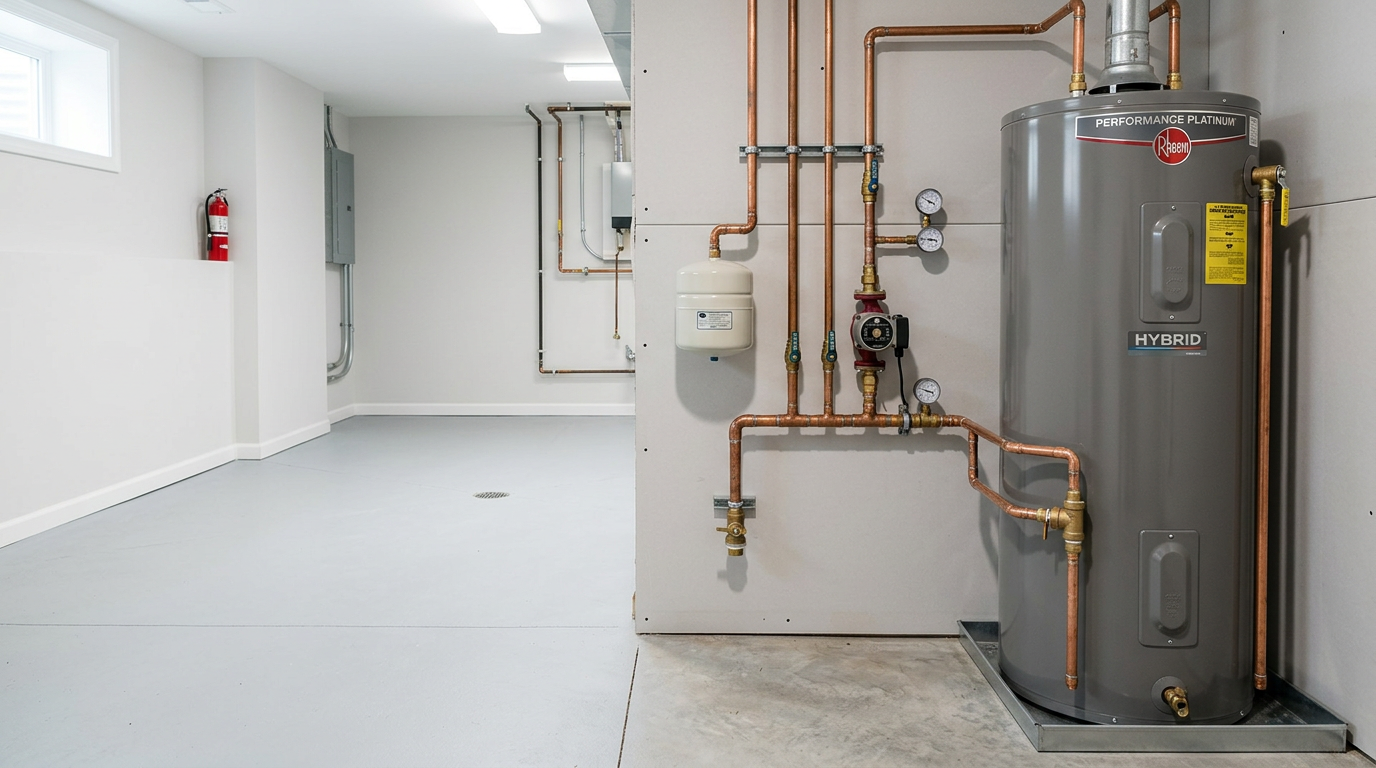
As groundwater temperatures decline throughout autumn in Saskatoon, residential water heaters must work harder to supply reliable hot water. Taking proactive seasonal maintenance steps protects your system against unexpected failures, reduces monthly utility expenses, and ensures continuous comfort for your entire household.
Key Takeaways (TL;DR)
- Flush Mineral Sediment: Draining sediment buildup every autumn restores heating efficiency and prevents tank base overheating.
- Optimal Temperature Settings: Setting water temperature around 60°C balances household safety, bacterial prevention, and lower energy usage.
- Protect Exposed Piping: Insulating exposed hot water supply lines reduces heat loss and speeds up hot water delivery at the tap.
Key Question Answered: Why does a water heater work harder during Saskatchewan winters?
In Saskatoon, municipal groundwater entering homes drops significantly in temperature during the winter months. Water heaters must consume noticeably more energy to heat this colder incoming supply to standard household temperatures, making pre-winter maintenance crucial.
Why Fall Water Heater Maintenance Matters in Saskatoon
Saskatoon winters place heavy operational demands on home plumbing and water heating systems. When sub-zero temperatures arrive, the incoming municipal water supply cools down dramatically. Your water heater has to bridge a much wider temperature gap to deliver comfortable water for showers, laundry, and dishwashing.
Without regular seasonal service, heating elements and burner assemblies struggle under this increased workload. Addressing minor component wear, flushing sediment, and checking safety valves during the autumn months ensures dependable operation throughout the freezing prairie winter.
In addition, routine maintenance prevents costly emergency breakdowns. A failing water heater can leak dozens of gallons of water into your basement within minutes. Proactive inspection identifies minor corrosion and weak fittings before they escalate into catastrophic water damage.
The Rise of High-Efficiency Water Heating Solutions
Over recent years, Saskatchewan homeowners have increasingly adopted modern high-efficiency water heating technologies. Moving away from aging, inefficient storage units allows households to cut utility consumption while enjoying uninterrupted hot water.
Upgrading to modern high-efficiency atmospheric, power-vented, or tankless water heaters provides several notable benefits:
- Reduced Standby Energy Loss: Advanced insulation jackets keep stored water hotter for much longer periods.
- Continuous Hot Water Supply: Tankless units heat water on demand, eliminating the frustration of cold showers during peak morning hours.
- Lower Environmental Footprint: Efficient gas combustion and smart load controls reduce residential greenhouse gas emissions.
- Extended Equipment Lifespan: Modern materials and corrosion-resistant components deliver greater durability in prairie water conditions.
| System Type | Efficiency Rating | Hot Water Delivery | Typical Lifespan |
|---|---|---|---|
| Standard Atmospheric Tank | 0.60 – 0.65 UEF | Limited by tank volume | 8 – 10 Years |
| Power-Vented Tank | 0.68 – 0.72 UEF | Faster recovery rate | 10 – 12 Years |
| On-Demand Tankless | 0.95 – 0.97 UEF | Endless on demand | 15 – 20 Years |
Practical Steps for Fall Water Heater Care
Maintaining a water heater involves a series of straightforward inspection checks and tune-up procedures designed to optimize performance and safety.
1. Flushing Tank Sediment Buildup
Naturally occurring minerals in Saskatoon water settle at the base of the tank over time. This layer of mineral scale forms an insulating barrier between the burner and the water, forcing the system to overheat and burn out prematurely. Flushing a few gallons from the drain valve each autumn clears accumulated scale and restores efficient heat transfer.
2. Inspecting the Temperature and Pressure (T&P) Relief Valve
The T&P relief valve is an essential safety feature that releases excess pressure or boiling water in an emergency. Lift the test lever gently to ensure water discharges smoothly into the drain tube and seals completely when released. If the valve sticks, drips continuously, or shows signs of mineral buildup, it requires immediate replacement.
3. Checking the Anode Rod Condition
The sacrificial anode rod attracts corrosive elements in the water to protect the steel tank from rusting. Over several years, the rod naturally deteriorates. Having a professional inspect the anode rod every few years prevents rust from attacking the tank walls directly.
4. Insulating Exposed Water Lines
Adding foam insulation sleeves to the first several feet of exposed hot and cold copper pipes reduces standby thermal loss. This simple step keeps hot water warmer as it travels through cold basement areas to upper-level fixtures.
Tailored Solutions for Saskatoon Properties
Water heating requirements vary significantly based on household size, water consumption habits, and property structure:
- Large Families & High-Demand Homes: Often experience hot water shortages during morning routines. Installing a high-recovery power-vent unit or transitioning to an endless on-demand tankless system provides uninterrupted supply.
- Properties with Hard Water: Benefit from pairing water heating equipment with a whole-home water softening system to minimize scale formation on heating elements.
- Older Residential Basements: May have limited drainage access near the mechanical area. Installing automated leak detection shutoff valves provides added security against unexpected water damage.
Why Choose Ryp Mechanical Inc for Water Heater Services
When you need dependable hot water and honest mechanical expertise in Saskatoon, SK, Ryp Mechanical Inc is ready to serve. Our Red Seal certified technicians deliver top-tier water heater repairs, maintenance inspections, and professional replacements with upfront pricing and zero hidden fees.
Whether you need a seasonal tune-up, emergency repair, or guidance on choosing an energy-efficient new unit, we treat your home with care and ensure your plumbing runs smoothly year-round.
Frequently Asked Questions
How often should I drain my water heater in Saskatoon?
Flushing your water heater tank once a year—ideally during early fall—is recommended to remove mineral sediment and keep heating elements operating efficiently.
What temperature should I set my water heater to?
Health Canada recommends maintaining a water heater temperature of 60°C (140°F) to prevent bacterial growth such as Legionella, while using anti-scald mixing valves at taps for household comfort.
What are the warning signs of a failing water heater?
Common signs include rusty or discolored hot water, rumbling or popping sounds from the tank bottom, moisture or pooling water around the base, and declining hot water capacity.
How long does a typical hot water tank last?
Most residential hot water tanks have an operational lifespan of 8 to 12 years. If your unit is over 10 years old, regular inspection helps determine whether repair or replacement is the most cost-effective option.
Conclusion
Seasonal water heater maintenance is an easy and effective way to lower energy costs, extend equipment life, and guarantee reliable comfort through the cold Saskatchewan winter. Ryp Mechanical Inc provides expert plumbing, heating, and water heater services throughout Saskatoon, SK and surrounding communities. Contact our team today to book your fall plumbing and water heater inspection.